For Generation Z, work isn't just about salary or position. They want a balanced life — able to develop professionally without losing themselves. Gen Z grew up in a fast-paced digital era full of pressure. They witnessed how previous generations became trapped in a culture of unlimited overtime. Now, they want something different: work that creates space for living.
1. Determine What Balance Means to You
Work-life balance is deeply personal. Some feel satisfied with flexible hours, others need mental rest time, and some want occasional remote work. Before communicating your needs to a manager, reflect on: what lately makes you feel overly exhausted? What changes could help you focus better? The more specific your needs, the easier a supervisor can understand and act on them.
2. Communicate with Confidence and Positive Language
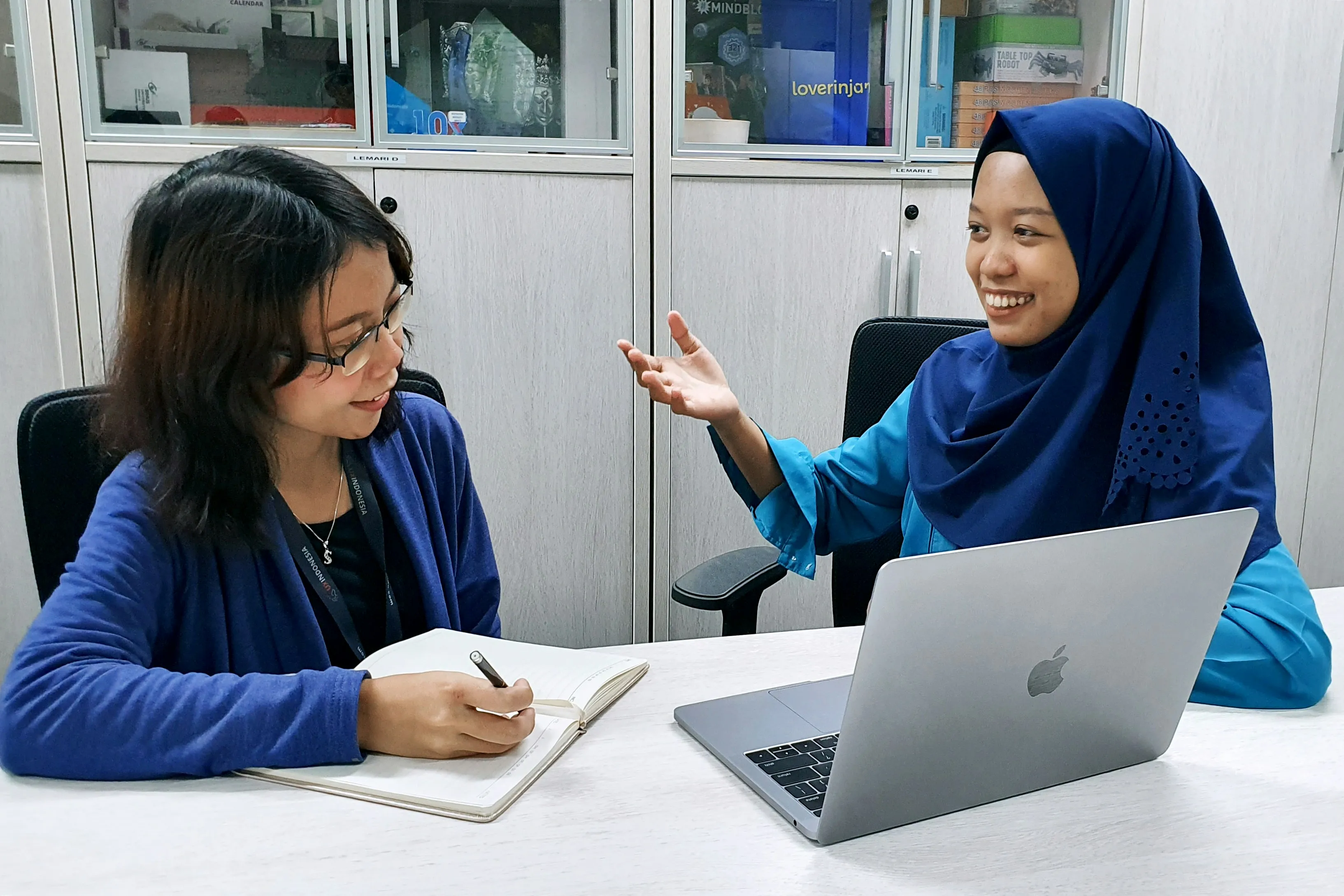
Requesting balance doesn't mean you're unambitious — it means you care about your long-term performance. Use positive, solution-oriented language: "I feel I could deliver better results with some flexibility in work hours. Would it be possible to discuss that option?"
3. Choose the Right Moment
Timing matters. Raise these topics after demonstrating commitment and solid work results — during performance reviews, one-on-one meetings, or goal-setting discussions. This makes the conversation feel professional and constructive.
4. Establish Healthy Boundaries — and Keep Them
Start simply: disable work notifications after hours, avoid checking email on weekends, or fully utilise your leave. Setting boundaries doesn't mean you don't care; it means knowing when to work and when to recharge.
5. Demonstrate Positive Impact
The best way to gain buy-in is with concrete evidence. When you remain productive, consistent, and bring full energy to work, supervisors see that balance actually improves performance — not the other way around.
6. Find a Supportive Environment
Not all companies share the same culture. If you continuously feel burned out, it may be time to seek environments that genuinely value balance. Look for companies with flexible work policies, mental health support, and leaders who model healthy boundaries.
Balance isn't just personal responsibility — it's a culture built together. Gen Z doesn't reject hard work; they simply want meaningful work that doesn't sacrifice personal life.