
When remote work swept the globe in early 2020, virtual meetings were an emergency measure. By late 2021, they had become the professional norm. Most organisations have now accepted that virtual interactions are not a temporary substitute for in-person engagement — they are a permanent and increasingly preferred channel in their own right. But that acceptance has come with a new set of challenges, chief among them: how do you keep people genuinely engaged in a medium that can so easily become exhausting?
The Weight of the Always-On Screen
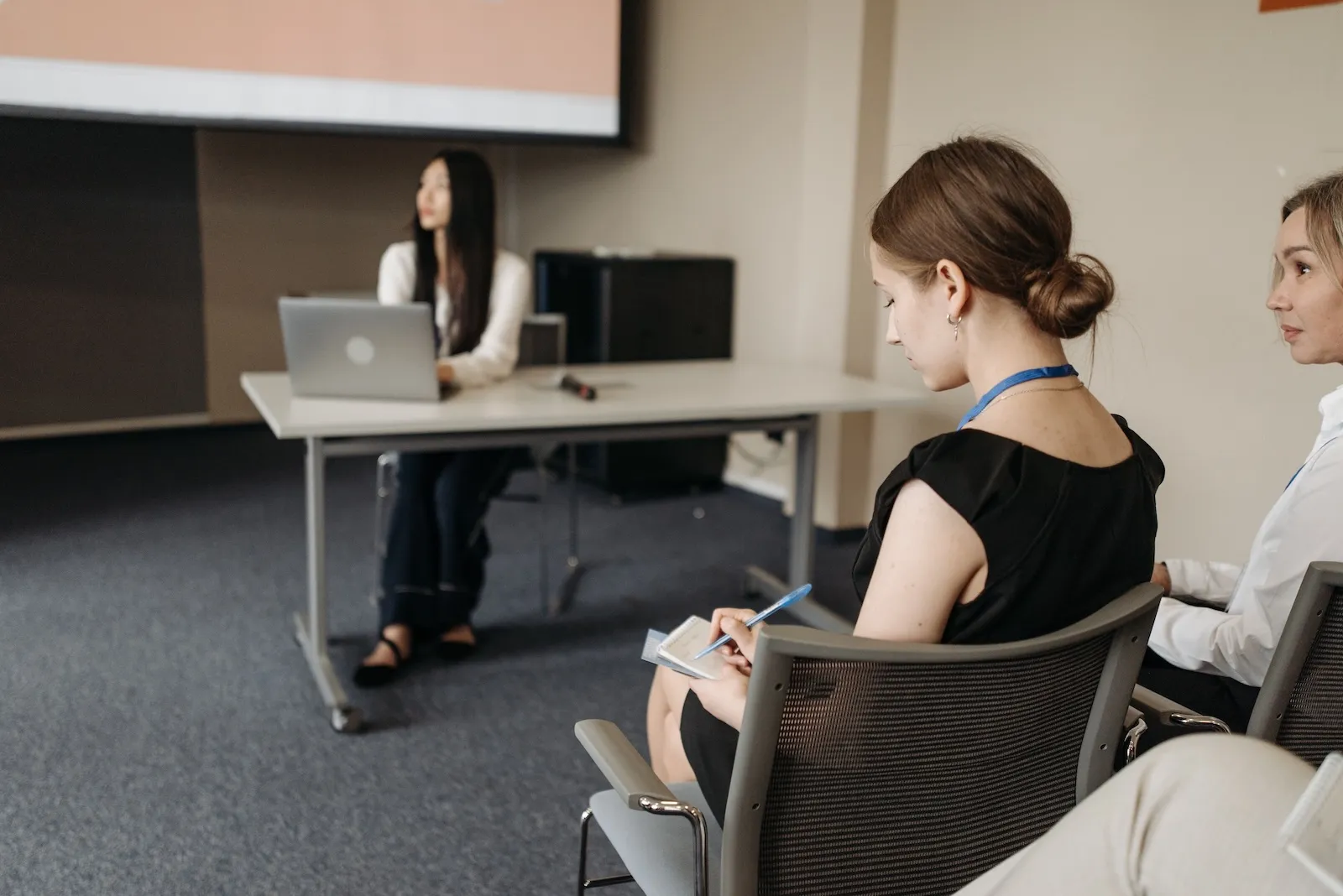
Anyone who has spent a full day on video calls knows the particular fatigue that comes with them. Unlike a physical meeting, where your attention naturally wanders to the room, the people around you, and the physical environment, a virtual meeting demands constant direct focus on a screen. There are no natural pauses, no walk to the meeting room, no side conversations over coffee. The result — often called "virtual fatigue" or "Zoom fatigue" — is real, and organisations that ignore it do so at the cost of their people's wellbeing and productivity.
Progressive organisations have responded with practical initiatives. Meeting-free days, introduced by forward-thinking executives, give teams scheduled breathing room — blocks of time protected from the relentless rhythm of back-to-back video calls. Asynchronous communication tools that reduce the need for live meetings have also gained traction. These are not signs of retreat from virtual engagement; they are signs of maturity in how organisations manage it.
Virtual Events Are Not the Same as Virtual Meetings
One important distinction often gets lost in conversations about virtual fatigue: there is a meaningful difference between the daily grind of routine video calls and a well-designed virtual event. A team stand-up on a video call is one thing. An immersive virtual career fair, open day, or industry conference — purpose-built with engaging environments, interactive features, and meaningful reasons to participate — is something else entirely.
The best virtual events are designed to give attendees agency. Rather than being talked at, participants can choose which booths to visit, which sessions to attend, who to chat with and how — via text, voice, or video. Networking lounges replicate the spontaneous conversations of a conference floor. Scavenger hunts and gamification elements encourage exploration. Live video chats create genuine human connection at scale.
When the environment is designed with engagement in mind, attendees leave feeling energised rather than drained. The event becomes a highlight rather than an obligation.
Why Virtual Events Continue to Grow
Despite the return of in-person events in many markets, virtual engagement has not declined — it has evolved. Several factors are driving this continued growth.
Accessibility is perhaps the most powerful. A virtual event removes every logistical barrier to attendance: no travel, no accommodation, no time away from family or work commitments. A candidate in a regional city can participate in a career fair hosted by a global employer with the same ease as someone based in the capital. An alumnus living abroad can attend a university networking event as readily as a graduate down the road.
Scale is another. A physical venue can hold hundreds. A well-run virtual event can host thousands simultaneously, across time zones, without proportionally increasing cost. For organisations with large and geographically dispersed audiences, that efficiency is transformative.
And data matters too. Virtual events generate rich, measurable engagement data — who attended, which sessions they visited, how long they stayed, who they spoke to — that in-person events cannot match. That data enables better decisions, clearer ROI, and smarter event design over time.
Designing for the New Normal
The organisations getting the most from virtual engagement share a common approach: they treat their virtual events with the same level of intentionality they once reserved for flagship in-person events. That means investing in platform quality, allocating proper marketing budget and lead time, briefing participants well, and measuring outcomes rigorously.
SeeMeCV (now SeeMeSOL) has partnered with hundreds of clients — from government agencies and large corporates to universities and professional associations — to host fully immersive virtual events at every scale. The consistent finding is that when organisations commit to the format properly, the results speak for themselves.
Virtual interactions are the new professional norm. The question is no longer whether to embrace them, but how to do so in a way that genuinely serves your audience. If you are ready to explore what that looks like for your organisation, drop the SeeMeSOL team an email — we would love to help you design something memorable.