The second quarter of 2021 confirmed what many in the talent and events space had quietly suspected: virtual career fairs are not a temporary pandemic fix. They are a permanent and growing part of how organisations recruit, engage, and connect with talent. Q2 was another busy quarter for the SeeMeCV team, and the metrics we saw across the platform reflect a continued — and in many cases deepening — commitment to virtual engagement across diverse sectors.
Who Is Investing in Virtual Fairs?
Q2 2021 saw strong activity across three broad categories of organisation, each with different motivations for choosing virtual over in-person.
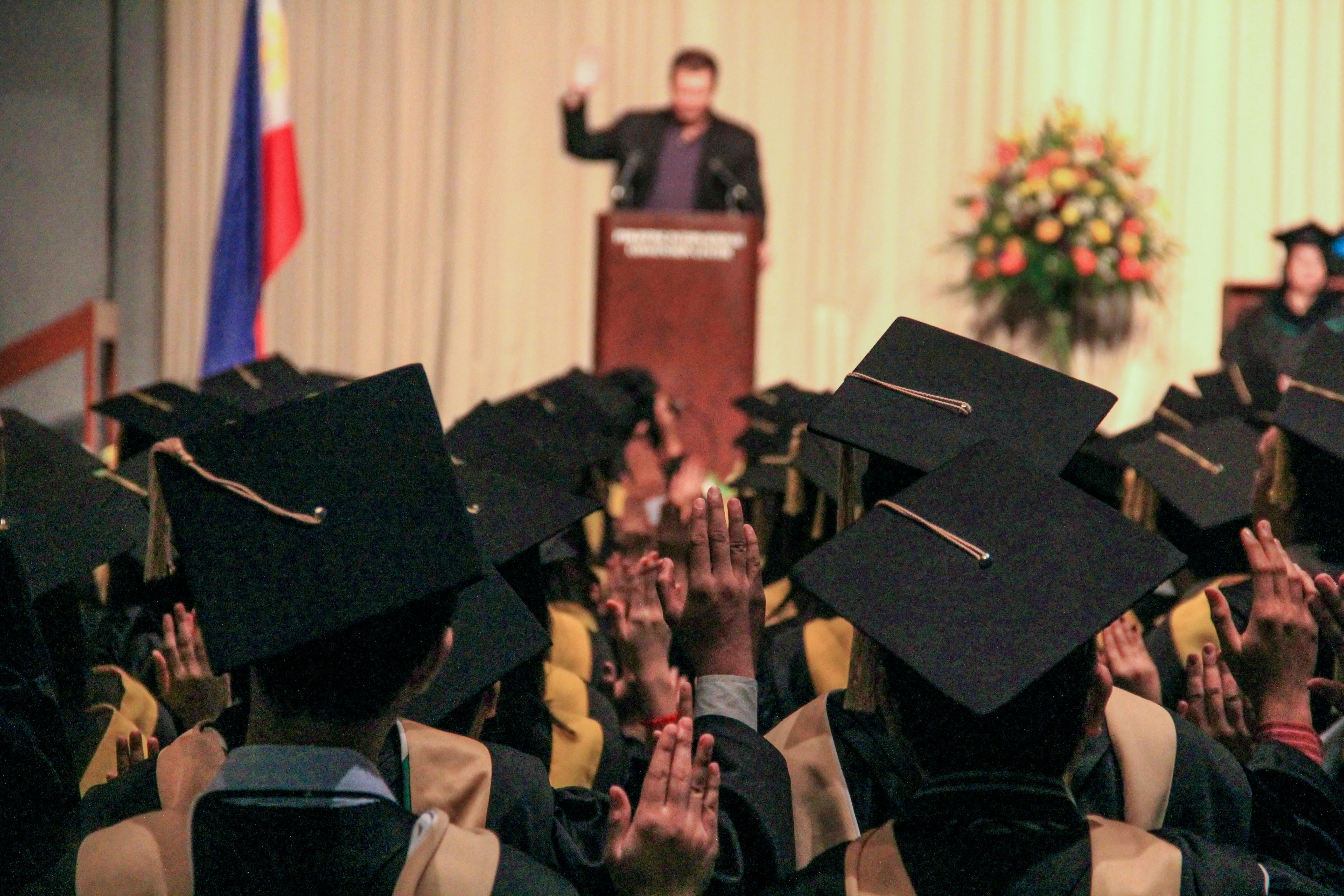
Educational institutes continued to use virtual career fairs as a way to connect their graduating cohorts with employers at scale. For universities and polytechnics, a virtual fair removes the geographical constraints of an on-campus event — allowing employers from across the country, and internationally, to participate without travel. Students can attend from anywhere, including those who have already relocated ahead of graduation. The result is a richer, more accessible event for all parties.
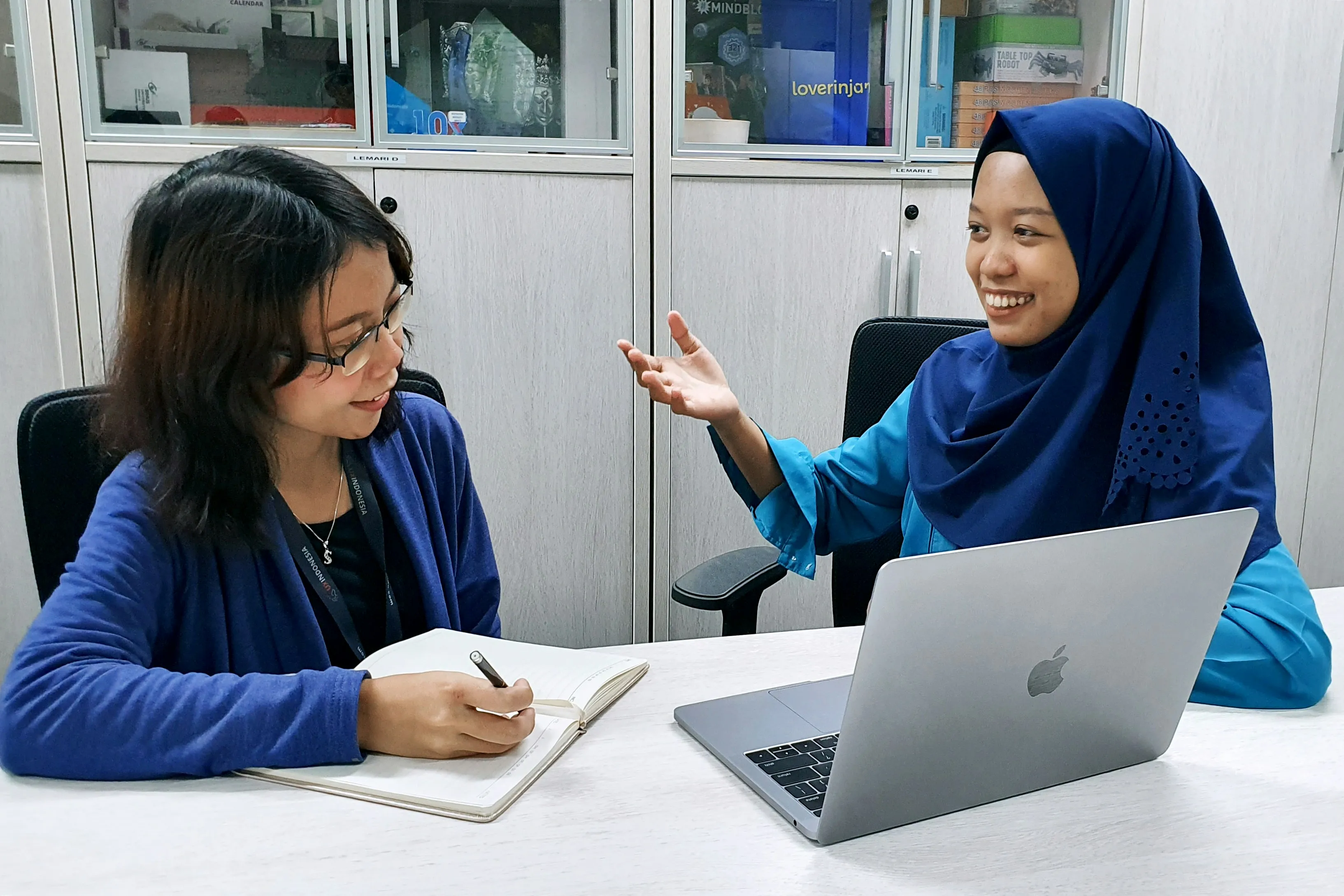
Large corporate employers have found that virtual fairs deliver a recruitment efficiency that in-person events struggle to match. A structured multi-day virtual event — segmented by role type or business unit — allows recruiting teams to manage high volumes of candidates without the logistical overhead of a physical venue. Live video interviews, real-time shortlisting tools, and post-event data analytics mean that some clients are extending job offers within days of a virtual fair closing.
Government agencies have embraced virtual fairs for their accessibility and reach. Public sector hiring often needs to cast a wide net — reaching candidates in regional areas, across age groups, and across varying levels of digital literacy. A well-designed virtual platform, accessible on any device, makes that possible in a way that a single physical event location cannot.
Why Investment Continued Even as In-Person Events Returned
By Q2 2021, some markets in the region were beginning to cautiously reopen for in-person gatherings. Yet rather than reverting entirely to traditional formats, most organisations chose to maintain or expand their virtual fair programmes. Several factors explain this.
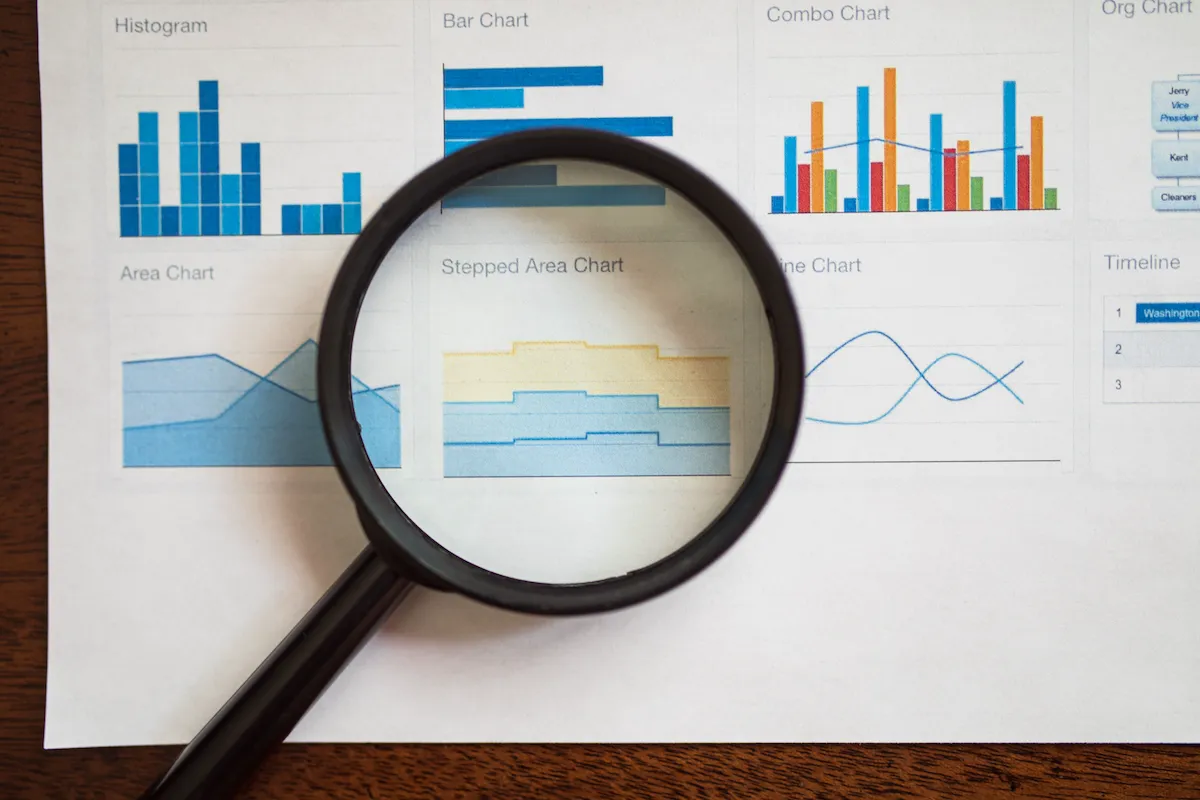
First, the data was too good to ignore. Organisations that had been running virtual fairs for 12 months or more had accumulated meaningful performance data — candidate engagement rates, conversion to interview, time-to-offer, and cost-per-hire comparisons. In most cases, that data showed virtual fairs performing competitively with, or better than, equivalent in-person events.
Second, the operational muscle was now in place. Teams that had initially struggled with virtual event logistics had, by Q2 2021, developed strong internal capability. Running a virtual fair no longer required external hand-holding at every step — it had become a routine part of the events calendar.
Third, the hybrid model was emerging. Rather than choosing between virtual and in-person, forward-thinking organisations began exploring how the two could complement each other — using virtual fairs to extend the reach of in-person events, or to run parallel engagement streams for candidates who could not attend physically.
A Quarter of Strong Designs and Great Experiences
Beyond the volume of events, Q2 2021 was notable for the quality of what organisations were producing on the platform. Event designs became more sophisticated, functionality was used more creatively, and the candidate experience across events improved markedly. It was encouraging to see clients take genuine ownership of their virtual environments — treating them as extensions of their brand and employer value proposition, not just as a practical necessity.
The SeeMeCV team is grateful for the continued enthusiasm and trust of every organisation that chose to invest in virtual engagement this quarter. The results speak to what is possible when the right platform meets the right level of organisational commitment.
If you are planning a virtual fair for the second half of 2021 or beyond, get in touch with the SeeMeSOL team to find out how we can support your goals.