The debate started in 2020 and has not fully settled since.
When virtual career fairs went from experiment to necessity overnight, nobody had reliable data on how they performed. Employers were uncertain. Universities were reluctant. Candidates were sceptical. The assumption was that physical events were better, and virtual was a compromise.
Six years on, we have enough data to say with confidence: the assumption was wrong — and the reality is more nuanced than either camp in the debate tends to acknowledge.
What the numbers show
Across virtual career events run across Indonesia and the Philippines in H1 2026, several patterns emerge consistently.
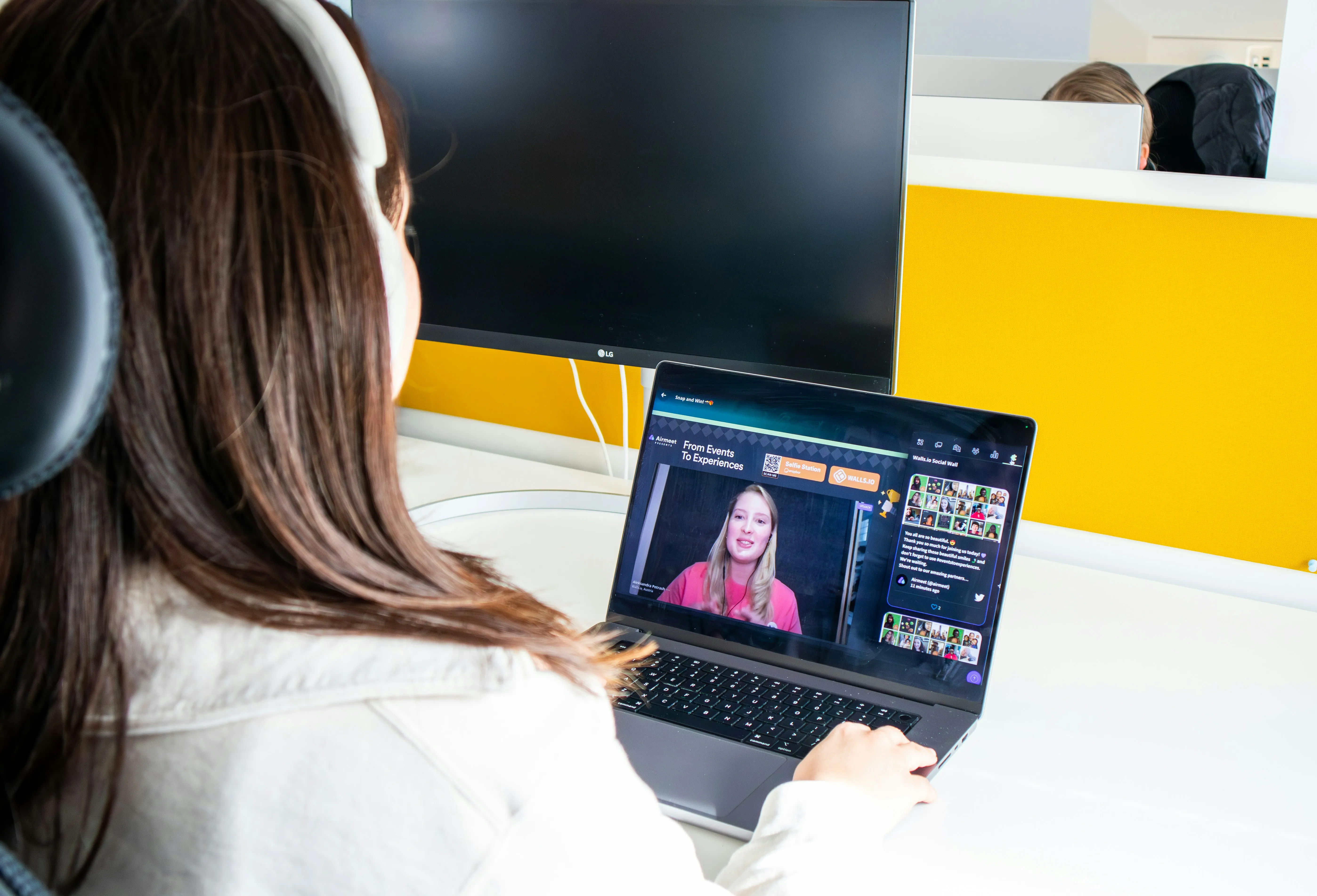
Attendance at virtual events is significantly higher. Without the constraints of geography, travel cost, and scheduling, candidate attendance at virtual fairs routinely runs two to four times higher than comparable physical events. For institutions in Sumatra, Sulawesi, Mindanao, or the Visayas, virtual fairs are not just more convenient — they are the only way many candidates can meaningfully access employer recruitment drives at scale.
Employer cost-per-qualified-interaction is lower online. When you account for booth rental, logistics, travel, printed collateral, and staff time, the cost of a physical career fair is substantially higher per employer than a virtual equivalent. This gap widens when you factor in the post-event data that digital platforms generate automatically — candidate profiles, engagement duration, document downloads, chat transcripts — and which physical events generate almost none of.
Application conversion rates are comparable, not lower. This is the finding that surprises employers most. The concern that candidates at virtual fairs are less serious, less engaged, or less likely to follow through does not hold up in the data. Conversion rates from virtual fair attendance to completed application are broadly comparable to physical events — and in some cases higher, because digital friction in the application process is lower.
Employer brand impact is the one genuine advantage of physical events. Face-to-face interactions — a strong recruiter, a well-designed booth, branded merchandise, the energy of a live event — do create a brand impression that is harder to replicate digitally. Candidates who have attended physical events are somewhat more likely to recall specific employers and describe them positively. This advantage is real, but it is also narrowing as virtual event platforms improve their engagement tools.
Where hybrid wins
For employers with the resources to do both, hybrid models — a physical anchor event supplemented by virtual channels — outperform either option alone on almost every metric.
A physical presence at a flagship university careers fair builds brand. A virtual component captures the broader candidate pool that could not attend in person. Post-event digital follow-up keeps the pipeline warm. Data from the virtual component informs which candidates to prioritise for the physical shortlisting process.
The employers running hybrid programmes in 2026 are not doing it because it sounds modern. They are doing it because the data consistently shows it produces better hires, faster, at a lower total cost per offer.
What this means for institutions
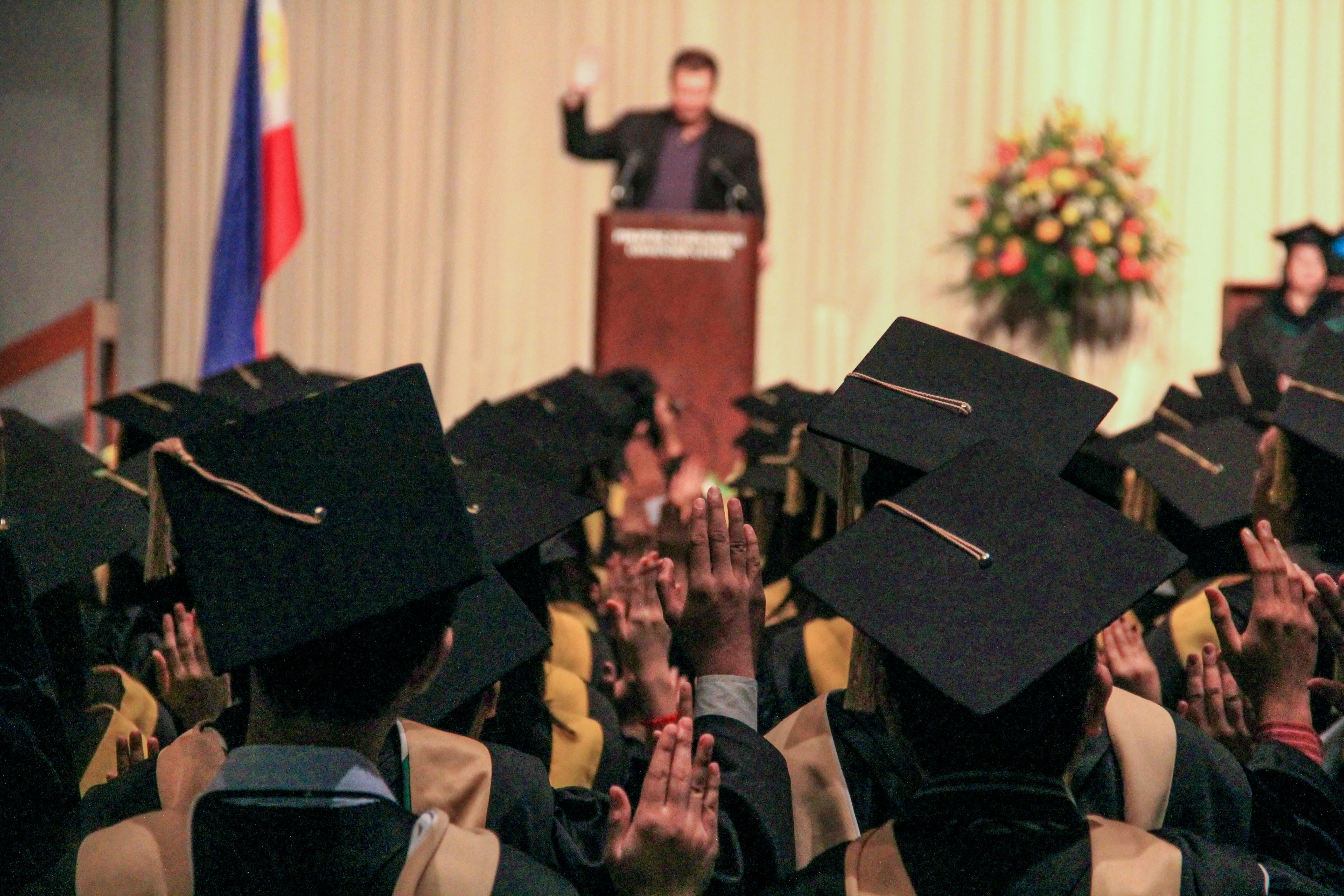
Universities and polytechnics that are still running exclusively physical careers fairs are leaving a significant portion of their students unserved — particularly those from regional campuses, those with work or family commitments, and those whose target employers are not willing to travel for a single-institution event.
Institutions that have shifted to virtual-first or hybrid models report higher employer participation rates (because the barrier to entry for employers is lower), higher candidate engagement, and more actionable post-event data for their career services teams.
The question is no longer virtual or physical. The question is how to design an event strategy that maximises reach, employer participation, candidate quality, and post-event conversion — and the answer almost always involves both.
The bottom line
Physical career fairs are not dead. They have a specific role — brand building, high-touch employer engagement, flagship institution relationships — that virtual formats do not fully replicate.
But as the primary channel for graduate recruitment at scale across Southeast Asia? The data has made its case. Virtual, and hybrid, have earned their place at the table.